What is Cardboard Packaging Boxes and Their Benefits?
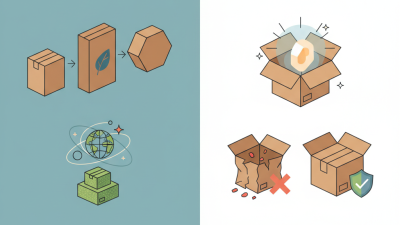
In the realm of sustainable packaging, "cardboard packaging boxes" have emerged as a favored choice. Experts highlight their versatility and eco-friendliness. John Smith, a renowned packaging expert, points out, "Cardboard boxes not only protect products but also contribute to a greener planet." With rising environmental concerns, businesses are leaning towards these boxes.
Cardboard packaging boxes are lightweight yet sturdy. They can be customized to various sizes and designs. This flexibility makes them ideal for numerous industries. Whether for retail or shipment, they offer a reliable solution. Additionally, they are biodegradable, which appeals to eco-conscious consumers.
However, not all cardboard boxes are created equal. Some may lack durability and fail under pressure. Companies must choose high-quality sources to ensure functionality. Striking a balance between cost and quality is crucial. In the quest for sustainability, the challenge remains: how to meet consumer demands while minimizing environmental impact.
What Are Cardboard Packaging Boxes?
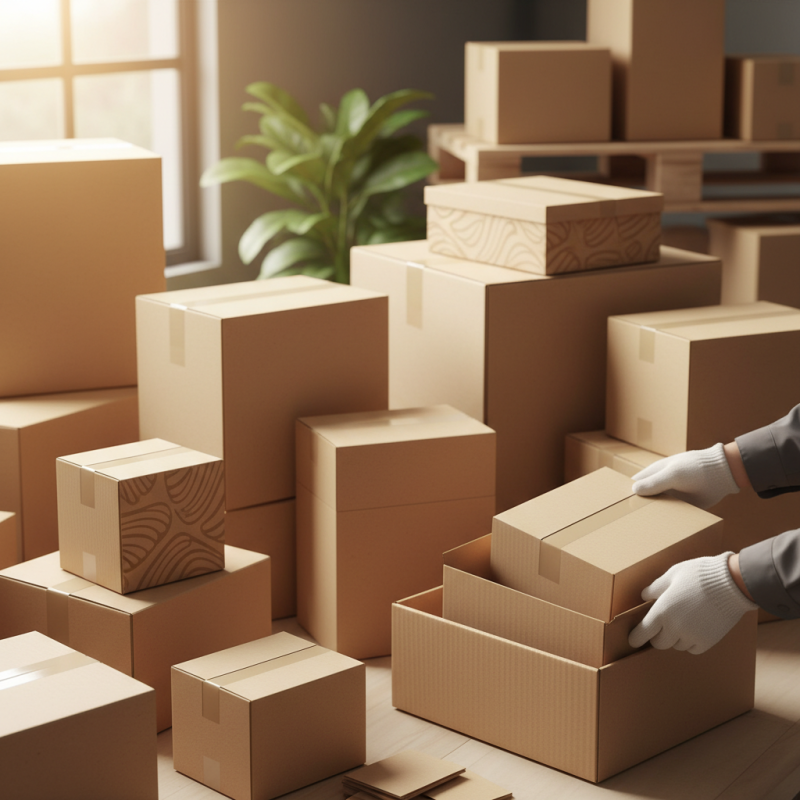
Cardboard packaging boxes are versatile containers primarily made from paperboard. They are widely used across various industries due to their lightweight yet durable nature. According to a recent report by Smithers Pira, the global market for cardboard packaging is expected to reach $400 billion by 2027. This growth is fueled by the increasing demand for sustainable packaging solutions.
These boxes come in various styles, including regular slotted containers (RSC) and die-cut boxes. They offer excellent protection for products during transportation. Their ability to be customized in size and design makes them suitable for everything from electronics to food items. Importantly, cardboard is recyclable, reducing environmental impact. The Paper and Packaging Board states that over 70% of cardboard boxes are recycled, highlighting their eco-friendly advantage.
While cardboard boxes have many benefits, they do have some limitations. They can be less moisture-resistant than plastic packaging. This factor may not be ideal for products sensitive to humidity. Moreover, improper storage can lead to damage or warping. Businesses need to balance these pros and cons when choosing packaging materials.
Benefits of Cardboard Packaging Boxes
Types of Cardboard Packaging Boxes in Use Today
Cardboard packaging boxes have become a staple in various industries due to their versatility and eco-friendliness. Among the types widely used today, the regular slotted containers (RSC) stand out. These boxes are easy to fold and assemble, making them efficient for shipping. RSC boxes are perfect for items of varying weights. They provide a strong structure while remaining lightweight.
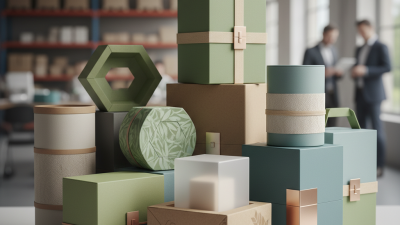
Another common type is the die-cut box. These boxes can be customized into various shapes and sizes. This flexibility makes them ideal for specific products, enhancing the unboxing experience. Businesses often choose die-cut boxes for premium items, as they can combine both aesthetics and functionality. However, production and design can be more costly compared to standard options.
There are also mailer boxes, known for their ability to protect contents during transit. These boxes often come with self-sealing features and may include cushioning inserts. On the downside, not all mailer boxes are recyclable, which raises concerns about their environmental impact. It's essential to consider these factors when selecting the right type of cardboard packaging. Each box type serves a unique purpose, yet the choice depends on specific needs and sustainability goals.
Benefits of Using Cardboard Packaging for Businesses
Cardboard packaging boxes are a popular choice for many businesses. They provide durability and lightweight solutions for shipping and storage. Companies that prioritize sustainability can benefit greatly. Cardboard is recyclable and made from renewable resources. This aligns with eco-friendly practices, attracting conscious consumers.
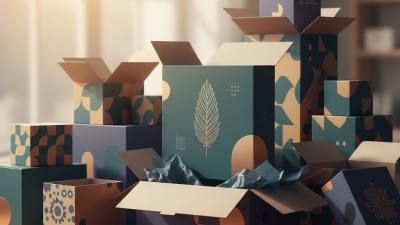
Using cardboard packaging can also enhance branding efforts. Custom designs and logos boost recognition. Unique packaging can lead to increased customer loyalty. Consumers often appreciate the thoughtfulness of eco-friendly packaging. Visibly sustainable choices can improve a brand's image.
However, there are challenges with cardboard packaging. Moisture can weaken the material. Businesses need to ensure proper storage conditions. Some products might require stronger alternatives. This is a point to consider when selecting materials. Despite these drawbacks, the overall benefits of cardboard packaging often outweigh the negatives. It remains a reliable option for numerous industries.
What is Cardboard Packaging Boxes and Their Benefits? - Benefits of Using Cardboard Packaging for Businesses
| Benefit |
Description |
Environmental Impact |
Cost Efficiency |
| Lightweight |
Cardboard boxes are significantly lighter than other materials, making shipping easier. |
Cardboard is recyclable, reducing landfill waste. |
Lower shipping costs due to reduced weight. |
| Customization |
Cardboard packaging can be easily shaped and printed on, enhancing branding opportunities. |
Custom designs can promote sustainable practices. |
Affordably customizable for various products. |
| Protection |
Cardboard boxes provide excellent protection against physical damage. |
Sustainable packaging reduces pollution impacts. |
Reduced damage leads to fewer returns and replacement costs. |
| Versatility |
Suitable for a wide range of products in different industries. |
Recyclable and biodegradable options available. |
Can adapt to various shipping needs at a low cost. |
| Cost-Effective |
Inexpensive to produce compared to other packaging materials. |
Promotes a circular economy through reuse and recycling. |
Reduces overall packaging costs for businesses. |
Environmental Impact of Cardboard Packaging Boxes
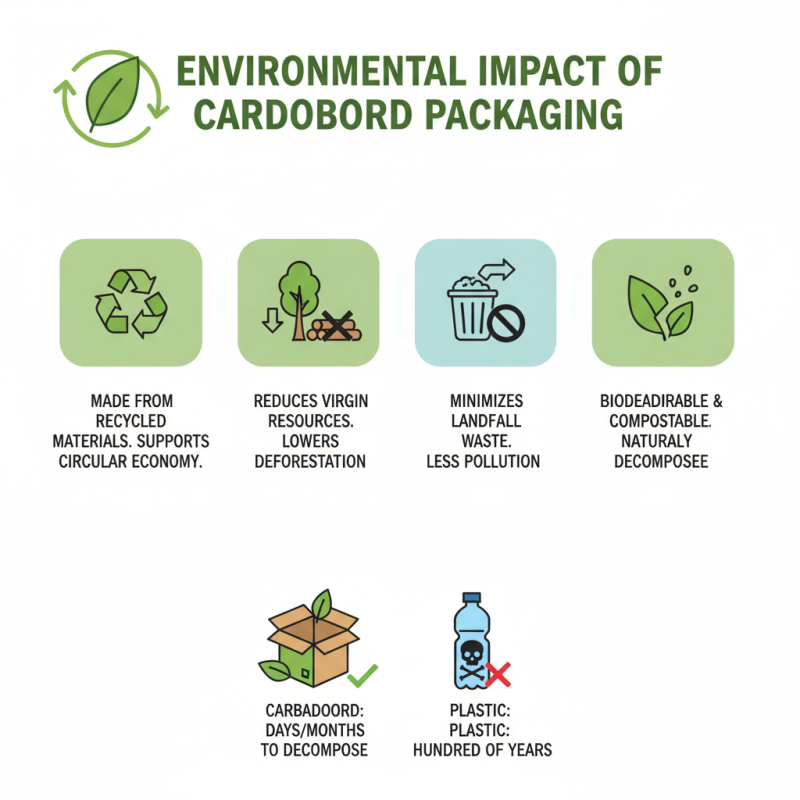
Cardboard packaging boxes have gained popularity due to their eco-friendly properties. Made from recycled materials, they contribute to a circular economy. This process reduces the need for new raw materials and minimizes landfill waste. Many consumers prefer cardboard because it’s biodegradable. It breaks down naturally, unlike plastic, which can linger for hundreds of years.
The environmental impact is notable. Cardboard boxes require less energy to produce compared to other packaging types. They also have a smaller carbon footprint, which is crucial in today’s climate crisis. However, not all cardboard is created equal. Some boxes may be coated with plastic or chemicals that hinder recycling. This aspect can be confusing for consumers who want to make environmentally sound choices.
Proper disposal and recycling remain challenges. If cardboard boxes end up contaminated with food or non-recyclable materials, they may be discarded instead of recycled. Awareness is growing, but ongoing education is essential. Society must remain vigilant in understanding the full lifecycle of packaging materials. This collective knowledge can drive progress towards more sustainable practices.
Best Practices for Recycling Cardboard Packaging Boxes
Recycling cardboard packaging boxes is an essential practice. It significantly reduces waste and conserves natural resources. Cardboard is primarily made from paper, which comes from trees. Recycling helps prevent deforestation, making it a sustainable choice.
To recycle effectively, start by flattening boxes to save space. Remove any tape or labels, as contaminants can affect the recycling process. Check local guidelines for specific recycling rules. Different areas may have different regulations regarding cardboard recycling.
While most cardboard can be recycled, some may not be accepted. For example, boxes contaminated with food or oil usually can't be processed. It's important to be aware of what can and cannot be recycled. With proper care, recycling cardboard can be an easy task and contribute to a greener planet.