- About Us
- Privacy Policy
- Shipping and Returns
- Terms and Conditions
- Custom Quotation
- Sample Pack
- Contact Us
- Blogs
© 2025 Copyright. All rights reserved.

Choosing the right packaging boxes for your products is crucial. Packaging not only protects your products but also represents your brand. A well-chosen box can enhance the unboxing experience. It reflects both quality and attention to detail.
Consider the size and shape of your product. Packaging boxes should fit snugly to prevent movement. Too large a box can lead to damage during shipping. You might select various sizes depending on your range. However, avoid excessive packaging that wastes materials and space.
Material is another key aspect. Cardboard is popular for its durability and eco-friendliness. Plastic packaging boxes can also be appealing, yet they may not always align with sustainability goals. Reflect on what message your packaging sends to consumers. Make sure it resonates with your brand identity and values.
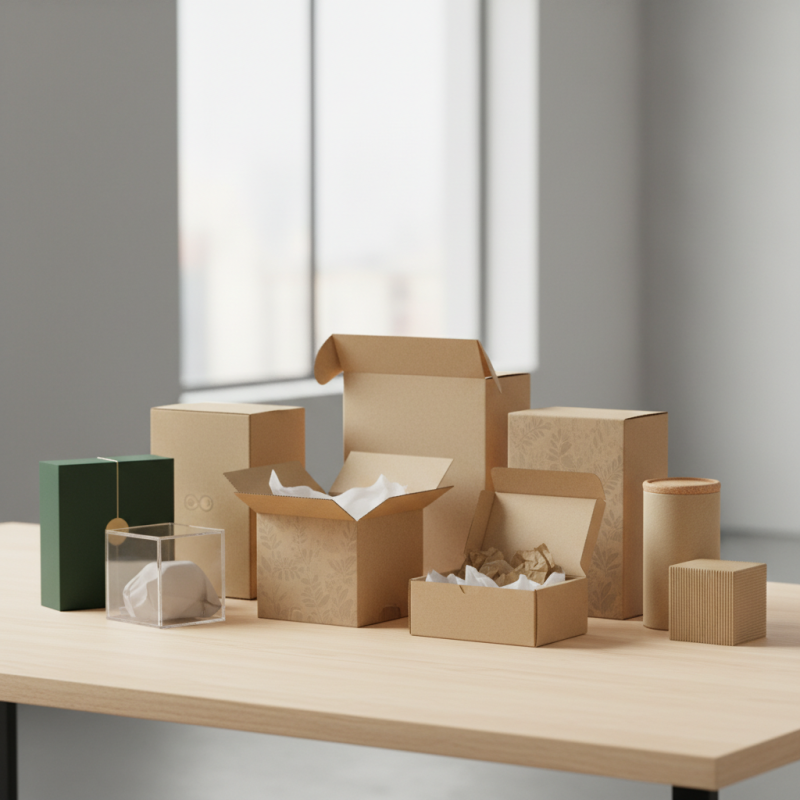
Choosing the right packaging boxes for your products is vital. Different types of packaging serve various purposes.
Cardboard boxes, for example, are popular for their durability. According to industry reports, they account for about
40% of the global packaging market. Their versatility makes them a favorite among both manufacturers and consumers.
Plastic packaging is another option. It is lightweight and water-resistant, making it suitable for food and cosmetics. Research indicates that the plastic packaging market will grow by
4% annually by 2027. However, environmental concerns about plastic waste create challenges for brands. This is a crucial aspect to reflect on. Finding a balance between
functionality and sustainability can be tough.
Then there's eco-friendly packaging. Materials like biodegradable options are gaining traction. Many consumers prefer brands that prioritize sustainability. This trend is backed by studies showing that
73% of consumers are willing to pay more for eco-friendly products. Yet, sustainable options can occasionally be more expensive. Brands must weigh the cost against potential sales growth.
Choosing the right packaging is not just about appearance; it’s about aligning with consumer values.
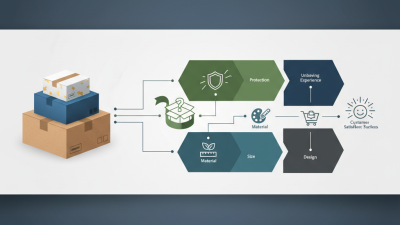
Choosing the right packaging boxes is essential for product safety and presentation. Evaluating the size and dimensions of packaging is crucial for specific products. Studies show that 30% of consumers are influenced by packaging size in their purchasing decisions. Therefore, getting the size right can directly impact sales.
When deciding on box dimensions, consider the product's specifications. Measure the item's height, width, and depth. Leave some extra space for padding materials. A snug fit prevents movement and damage during transit. Oversized boxes can lead to higher shipping costs and wasted materials. Remember, around 66% of consumers prefer eco-friendly packaging. Choosing the right size can enhance your sustainability efforts.
Tips: Always test packaging prototypes with your products. Take feedback from your team. Adjust dimensions if necessary. Consider the shipping method too. If using courier services, check their size restrictions to avoid additional fees. Regularly reassess your packaging as products change over time. Continuous evaluation can help streamline operations.
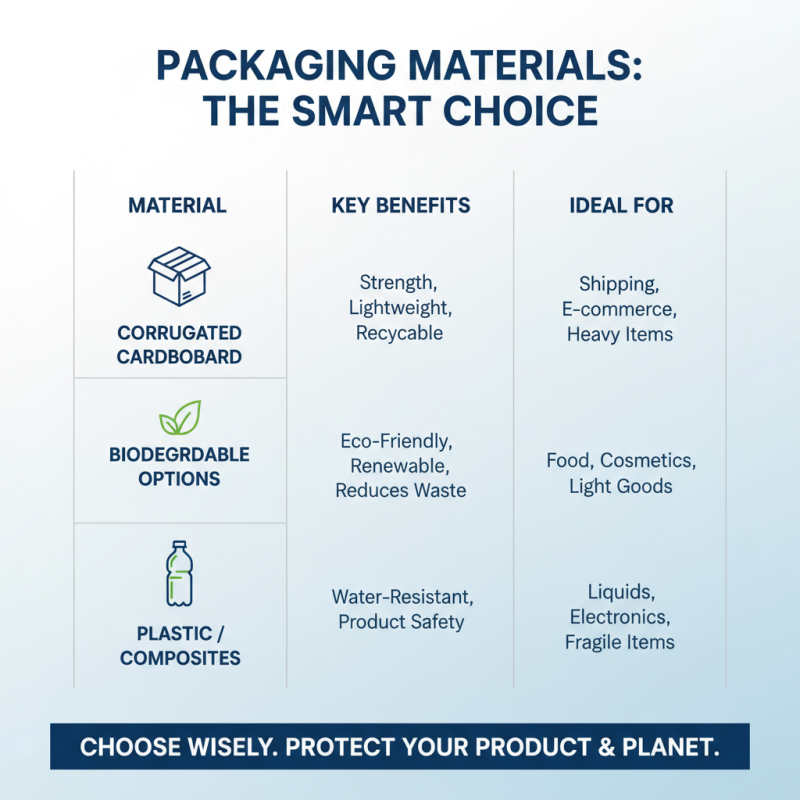
Choosing the right materials for packaging boxes is crucial. Material choice affects both durability and product protection. Corrugated cardboard is often a popular choice. It offers great strength and lightweight benefits. However, it's essential to consider the type of product being packaged. Some items may require special materials, such as plastic or biodegradable options.
When selecting packaging, durability is key. You want your boxes to withstand shipping and handling. Test different materials to find the best fit for your needs. Sometimes, the most affordable option is not the sturdiest.
Tips: Always consider the environment. Eco-friendly materials are becoming increasingly important. Evaluate your product's requirements carefully. Ensuring the right balance of cost and quality will pay off. Look for suppliers who understand your needs and can provide samples. This allows you to make informed decisions before committing.
When designing packaging boxes, branding is key. Choose colors that reflect your brand’s personality. A vibrant hue can attract attention, while muted tones convey elegance. Think about fonts too. A unique font can make your brand memorable. However, readability should remain a priority. It’s easy to get lost in aesthetics and overlook functionality.
Incorporate your logo prominently. This is not just decoration; it’s a reminder of your brand's identity. Artwork can enhance appeal but must align with your product’s message. Consider textures as well. A soft-touch finish might evoke luxury. However, it could be less durable. Carefully balance design elements to avoid overwhelming the consumer. Sometimes, less is more.
Imagery can also tell a story. Use graphics to show product benefits. This can engage customers emotionally. Remember, packaging can either attract or deter buyers. If your design feels cluttered, it could confuse them. Test your ideas, gather feedback, and reflect on improvements. Every design choice should serve a purpose in representing your brand.
Budgeting for packaging costs is crucial. You need to balance quality and affordability. High-quality packaging ensures product safety. But, it can be expensive. It’s important to evaluate what you truly need. Sometimes, less is more. Basic packaging can protect products while saving money.
Consider using simple designs or eco-friendly materials. These options can cut costs significantly. However, don't sacrifice safety for budget. Weak packaging can lead to damaged products. This not only increases costs but can harm your reputation.
Also, track your expenses. Creating a budget helps you stay on top of costs. Review prices regularly and adapt as needed. Reflect on past choices; did they work well? Adjust based on what you've learned. Balancing quality and budget isn't always easy—but it’s essential for success.
© 2025 Copyright. All rights reserved.

Magento Catalog Menu Widget by EMThemes Magento Themes & Magento Templates