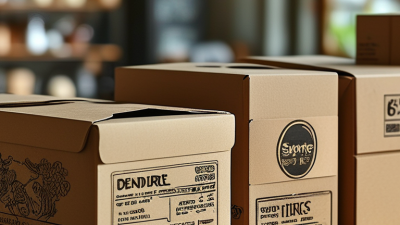
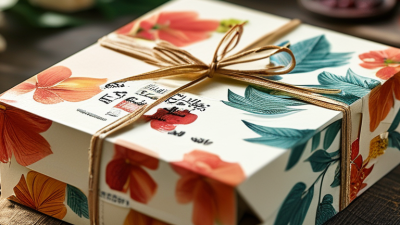
How to Choose the Best Display Packaging Boxes for Your Products?
In the competitive world of retail, choosing the right display packaging boxes can significantly impact product perception and sales. According to packaging expert Jane Smith, “The right packaging not only protects the product but also tells your brand story.” This highlights the importance of carefully considering your options.
Display packaging boxes serve as a silent salesperson. Their design can catch attention and convey quality. Flaws in packaging can deter potential customers. If a box is unattractive, it may leave a negative impression. Consumers often choose products based on visual appeal, making this decision crucial. Experts believe that thoughtful design can enhance brand loyalty and recognition.
Navigating the various materials, styles, and designs can be overwhelming. Take time to explore sustainable options. Reflect on how packaging aligns with your brand values. Display packaging boxes should not only cater to functionality but also create an emotional connection with the customer. Finding the perfect balance is key to successful product presentation.
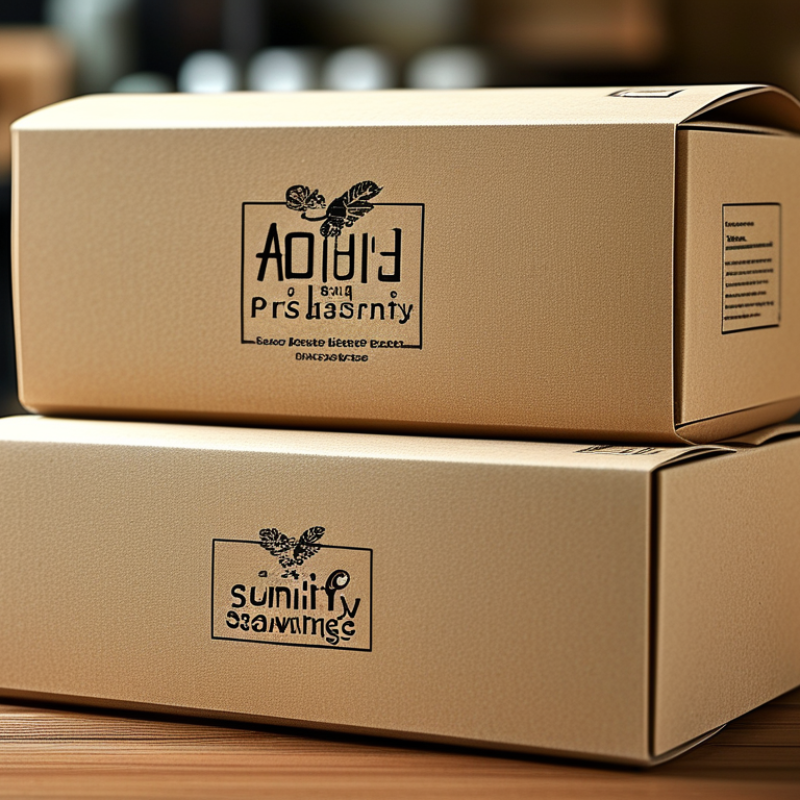
Understanding the Importance of Display Packaging Boxes for Products
Display packaging boxes play a crucial role in product marketing. They serve more than just a protective purpose; they are designed to attract attention. A well-designed box can entice potential customers and communicate the essence of the product inside. This visual appeal is vital in crowded retail environments. Customers often make quick decisions based on packaging alone. Therefore, choosing the right display packaging is essential for success.
Understanding the importance of these boxes goes beyond aesthetics. It involves considering functionality, sustainability, and branding. Customers appreciate eco-friendly materials. They also value designs that facilitate easy access to products. Packaging should not only look good but also be practical. Flaws in functionality may lead to disappointment and lost sales.
Creating engaging display boxes requires careful thought. Color choices, font styles, and shapes must align with brand identity. The decision-making process can be challenging. Designers often encounter questions about what truly resonates with the target audience. It is a learning experience, as consumer preferences frequently shift. Being aware of these dynamics can help in making informed choices.
Factors to Consider When Selecting Display Packaging Materials
When selecting display packaging materials, several factors come into play. First, consider the product's nature. Fragile items need robust packaging that can withstand handling. Conversely, lighter products may require more flexible materials. A deep understanding of your product ensures you choose packaging that serves both functionality and aesthetics.
The target audience is another critical factor. Different demographics respond to various designs and materials. A high-end product may benefit from sleek, luxurious packaging, while a fun, colorful design works for children’s toys. Know your customers well. Their preferences guide the packaging's visual appeal and material choice.
Sustainability is increasingly vital in packaging decisions. Eco-friendly materials reflect a brand's commitment to environmental stewardship. However, the cost-effectiveness of these options is sometimes a concern. Finding the right balance between sustainability and budget is an ongoing challenge. Reflecting on these elements can lead to better decisions, even if the perfect solution eludes you.
Factors to Consider When Selecting Display Packaging Materials
This chart shows the importance of various factors when choosing display packaging boxes for products.
Design Elements That Attract Customers to Display Packaging
In the competitive world of retail, display packaging plays a crucial role in attracting customers. Research shows that over 70% of purchasing decisions are made in-store. Effective design elements can significantly influence these choices. Bright colors, unique shapes, and clear branding are essential. These elements not only grab attention but also communicate the product's value.
One study highlighted that products in well-designed display packaging saw a sales increase of 30%. Effective use of textures can enhance tactile engagement, making customers more likely to touch and consider the product. Incorporating eco-friendly materials appeals to the growing demographic of environmentally conscious consumers. Yet, it's important to balance aesthetics with functionality. Overly complex designs may confuse customers and detract from the product's message.
Regularly analyzing customer feedback can help refine packaging choices. Elements that resonate today may fade in relevance tomorrow. Design innovation is necessary, yet it must be grounded in consumer behavior analytics. Taking risks with design can yield rewards, but it’s essential to evaluate the impact continually. Brands should not shy away from learning from less successful designs. The journey toward the perfect display packaging is ongoing and iterative.
How to Choose the Best Display Packaging Boxes for Your Products? - Design Elements That Attract Customers to Display Packaging
| Design Element |
Description |
Impact on Customers |
Examples |
| Color |
The use of vibrant colors to grab attention. |
Attracts potential customers and evokes emotions. |
Bright red, green, or blue boxes. |
| Material |
Quality of the packaging material used. |
Perceived value; sturdier materials suggest higher quality. |
Recyclable cardboard, eco-friendly materials. |
| Shape |
Unique shapes that stand out on shelves. |
Creates a memorable impression, easier to recognize. |
Irregular shapes, custom designs. |
| Window Cutouts |
Clear areas to show the product inside. |
Builds trust and allows customers to see the product. |
Boxes with transparent plastic windows. |
| Branding |
Use of logos and brand colors. |
Enhances brand recall and customer loyalty. |
Incorporating the brand's logo on the packaging. |
| Sustainability |
Eco-friendly designs and materials. |
Appeals to environmentally conscious customers. |
Biodegradable packaging, minimal plastic use. |
Customizing Display Packaging to Enhance Brand Identity
Creating display packaging that enhances your brand identity requires thoughtful customization. Your packaging should reflect your brand's essence. Choose colors, fonts, and imagery that resonate with your target audience. Well-chosen elements can create an emotional connection. For example, eco-friendly materials may appeal to environmentally conscious consumers.
Incorporating your logo prominently can boost brand recognition. Consumers often remember brands through consistent visual cues. Consider textures and finishes too. A matte finish feels upscale, while a glossy one can evoke excitement. Every detail matters, even the shape of the box. Unique shapes can draw attention on the shelf.
It's also essential to reflect on the functionality of your packaging. While aesthetics are important, consider how easily the product can be displayed and accessed. Poorly designed packaging can frustrate customers and diminish their experience. Always seek feedback during the design process. Iteration is key in achieving the perfect balance of form and function.
Evaluating Cost-Effectiveness of Different Packaging Options
Evaluating the cost-effectiveness of different packaging options is essential in today's competitive landscape. According to a 2022 report by Smithers Pira, packaging costs can account for up to 10% of product expenses. This makes choosing the right display packaging crucial. Selecting the right materials can greatly influence both cost and consumer perception. Corrugated boxes, for example, offer an economical solution that's also robust and environmentally friendly.
When assessing packaging options, analyze not only the initial cost but also the long-term benefits. Companies that invest in sustainable packaging options can reduce waste and enhance brand loyalty. Research from Nielsen indicates that 73% of consumers are willing to pay more for sustainable packaging. This shift demonstrates the importance of aligning packaging choices with consumer preferences.
To ensure you make a savvy choice, monitor your competitors' packaging strategies. Understand what appeals to your target market. Test different designs and materials. Gather feedback to refine your approach. Engaging customers in dialogue about packaging can provide insights that raw data may overlook. Rethinking your packaging can lead to unexpected savings and better customer relationships.