- About Us
- Privacy Policy
- Shipping and Returns
- Terms and Conditions
- Custom Quotation
- Sample Pack
- Contact Us
- Blogs
© 2025 Copyright. All rights reserved.

In the evolving landscape of e-commerce, selecting the right printed packaging boxes has become critical. A notable study from Smithers states that the global printed packaging market is expected to reach $500 billion by 2026. This growth emphasizes the increasing significance of packaging in consumer decisions.
Expert Michael Hart, a leading figure in the printed packaging industry, aptly notes, "The right packaging can elevate a brand's perception in the eyes of consumers." This insight highlights how packaging goes beyond mere functionality. It plays a vital role in branding and consumer engagement.
However, many businesses still overlook the importance of printed packaging boxes. Issues such as cost versus quality and design choices often lead to dissatisfaction. A well-chosen box not only protects the product but also reflects brand values and vision. As competition intensifies, prioritizing effective printed packaging strategies can set a business apart.

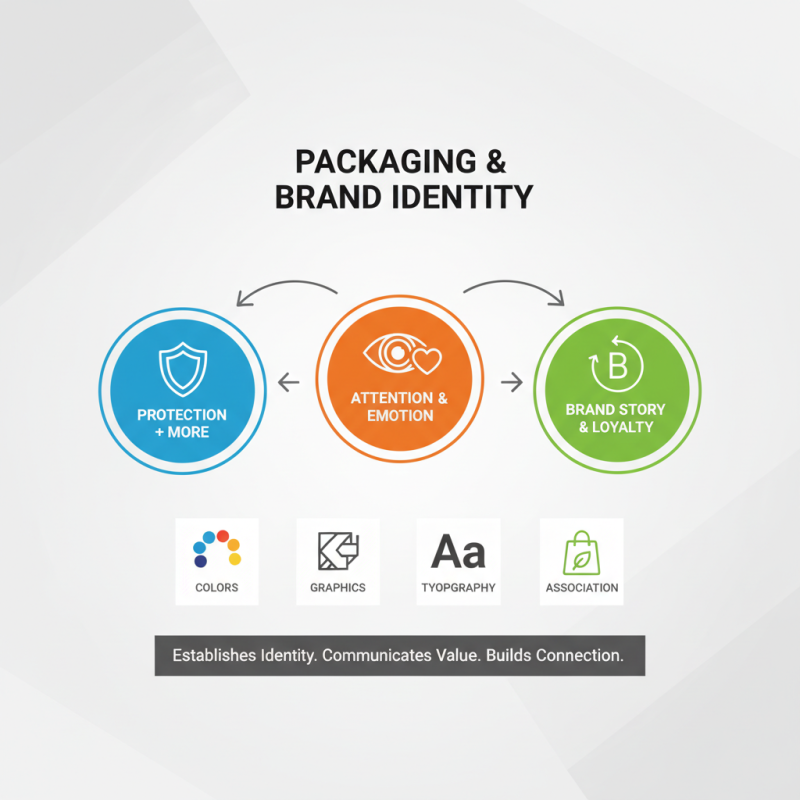
Printed packaging plays a crucial role in establishing a brand's identity. It goes beyond mere protection of products. Attractive packaging grabs attention and communicates the brand's story. Colors, graphics, and typography can evoke emotions. They help customers associate feelings with the product.
When customers encounter printed packaging, their first impression matters. Those designs can make a lasting impact and found in memorable experiences. However, some companies overlook this point. They may prioritize cost over creativity. This approach can lead to generic packaging that fails to engage.
To effectively boost brand identity, packaging should reflect the brand's values. The right design invites curiosity, while also representing the essence of the product. Brands must ask themselves: "Does our packaging truly connect with our audience?" This reflection can transform ordinary boxes into an extraordinary branding tool.
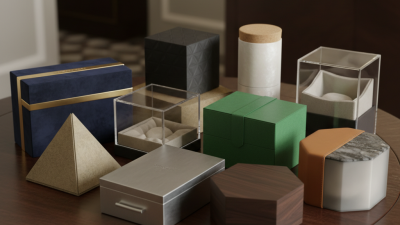
When selecting printed packaging boxes in 2026, understanding material options is crucial. Cardboard remains the most popular choice. According to recent industry reports, around 70% of brands prefer cardboard for its recyclability. This material offers a perfect balance of sturdiness and flexibility. Moreover, it’s lightweight, which cuts down on shipping costs. However, not all cardboard is created equal. Some options can fold poorly or lack durability. Businesses should test prototypes before committing.
Another growing contender is biodegradable plastics. These materials are gaining traction as sustainability becomes a priority. Reports indicate that demand for biodegradable packaging has increased by 25% annually. They provide moisture resistance and can protect products effectively. Yet, the cost can be a barrier. Companies may hesitate due to the higher price compared to traditional plastics. Balancing eco-friendliness with budget constraints is a common challenge.
Finally, metal options like aluminum are emerging for more premium products. The visual appeal of metal can elevate a brand's image. Still, the heavy weight can add shipping costs. Not all consumers appreciate metal packaging for every product. Testing the market response is essential. Brands must also think about how the packaging’s material influences customer perceptions. This continues to be a key point for brands deciding their packaging strategy in 2026.
| Material Type | Durability | Eco-Friendliness | Cost-Effectiveness | Printing Quality |
|---|---|---|---|---|
| Cardboard | High | Moderate | Affordable | Excellent |
| Kraft Paper | Moderate | High | Very Affordable | Good |
| Plastic | Very High | Low | Expensive | Excellent |
| Recycled Paper | Moderate | Very High | Affordable | Good |
| Biodegradable Materials | High | Very High | Moderate | Good |
When evaluating printed packaging solutions, cost-effectiveness plays a critical role. Many businesses focus on initial costs without considering long-term benefits. For instance, premium printed boxes may seem expensive. However, they can enhance brand perception and customer experience significantly.
A detailed analysis of material choices is essential. Corrugated, kraft paper, and eco-friendly options each have distinct costs. While kraft paper is often affordable, it may not always provide the durability needed. On the other hand, biodegradable materials can reduce environmental impact and attract eco-conscious consumers.
Keep in mind the printing technology as well. Digital printing can be cost-effective for small runs, while offset printing becomes economical for large quantities. Balancing print quality with production costs can be tricky. Sometimes, businesses overlook hidden expenses like shipping and storage. Any oversight can lead to reduced profit margins. Evaluate every option thoroughly to find the right fit for your brand.
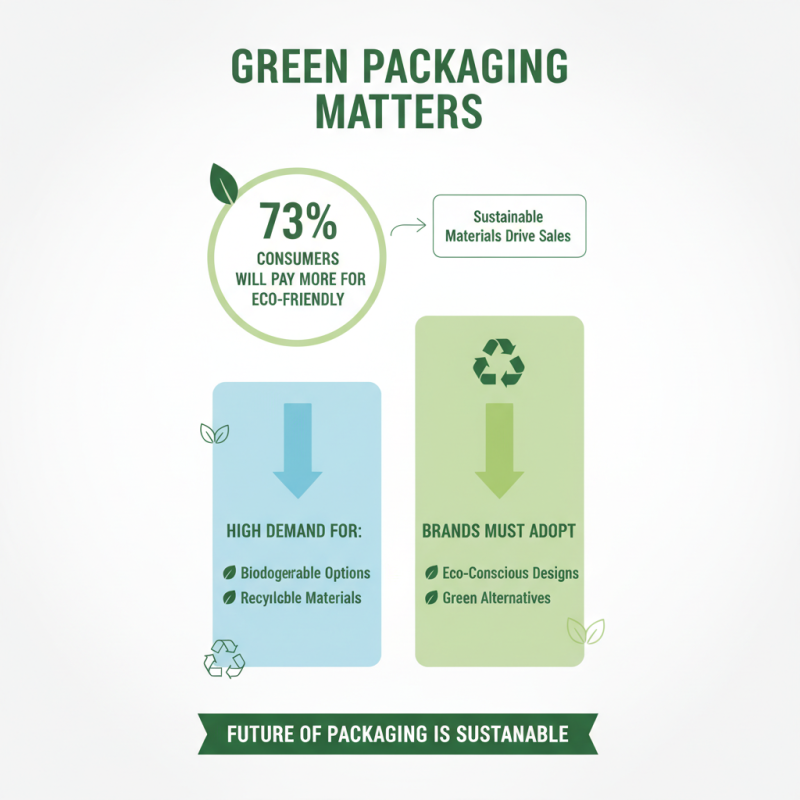
Sustainability is a crucial aspect of printed packaging today. Research shows that 73% of consumers are willing to pay more for eco-friendly products. This trend highlights the importance of choosing sustainable materials for packaging designs. Biodegradable and recyclable options are in high demand. Brands can no longer ignore consumer preferences for green alternatives.
Tip: Analyze your target audience to understand their values. Many consumers prioritize brands that demonstrate ecological responsibility. This means you should focus on recyclable materials and environmentally-friendly printing processes.
Another important trend is the increase in demand for customized packaging. Data indicates that 67% of consumers enjoy getting personalized packaging experiences. Customized designs enhance brand recognition and create emotional connections with customers. However, striking a balance between uniqueness and practicality can be challenging.
Tip: Consider which custom features resonate well with your consumers. Avoid overwhelming designs that might confuse them. Simple yet effective strategies could yield the best results. Attention to consumer trends can lead to improved packaging choices that reflect sustainability and creativity.
When choosing printed packaging boxes, customization and design play vital roles. Unique designs grab attention. They reflect your brand identity and attract your target audience. Think about color schemes. Bright colors can evoke emotions, while muted tones convey elegance. This balance requires careful thought.
Typography also matters. The choice of font can affect readability. A fancy script might look appealing, but simplicity often wins. Imagine opening a box and struggling to read the brand name. It's frustrating, right? Address this during the design phase.
Incorporate sustainable materials into your packaging choices. Eco-friendly options resonate with many consumers today. However, sourcing these materials can be challenging and costly. Don’t overlook the importance of functionality. Packaging that looks great but is hard to open or poorly protects the product may lead to disappointment. This can hurt your brand image.
© 2025 Copyright. All rights reserved.

Magento Catalog Menu Widget by EMThemes Magento Themes & Magento Templates