- About Us
- Privacy Policy
- Shipping and Returns
- Terms and Conditions
- Custom Quotation
- Sample Pack
- Contact Us
- Blogs
© 2025 Copyright. All rights reserved.

As we look ahead to 2026, the trend of personalized packaging boxes continues to shape the industry. Experts believe that creating unique packaging experiences is vital. Mark Johnson, a renowned expert in packaging design, emphasizes, “Consumers crave connection, and personalized packaging boxes offer just that.” This statement highlights the evolving expectations of consumers today.
Personalized packaging boxes not only enhance brand identity but also foster customer loyalty. Brands are now harnessing technology to customize their packaging. This trend is not just about aesthetics; it involves tailoring designs to resonate with individual customers. The integration of data analytics plays a crucial role in understanding consumer preferences.
While the advantages are notable, challenges persist. Balancing customization with cost-effectiveness requires careful strategy. Companies must ensure that their processes remain reliable and efficient. Ultimately, the future of personalized packaging boxes is bright, but it demands ongoing innovation and reflection on best practices.
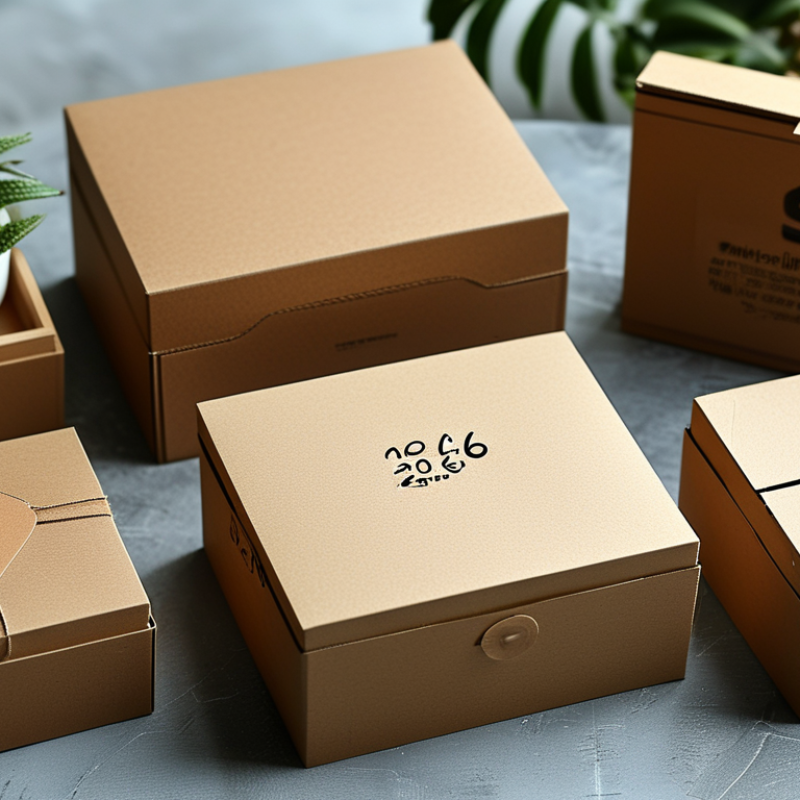
As businesses seek sustainable solutions in packaging, emerging materials play a crucial role. Biodegradable plastics are gaining traction. Made from natural sources, they decompose within months, reducing landfill waste. Mushroom packaging is also becoming popular. It’s lightweight yet strong, crafted from agricultural byproducts. This innovation not only protects products but also nourishes the earth after disposal.
Another exciting trend is the use of recycled materials. Brands are increasingly utilizing post-consumer waste in packaging. This practice reduces the need for virgin materials, thus conserving resources. Additionally, it can enhance brand story. Customers often appreciate eco-friendly practices. They are more likely to support businesses that commit to sustainability.
When designing personalized packaging, keep the simplicity in mind. Choose materials that balance aesthetics and functionality. Ensure that your designs communicate your brand values clearly. Consider testing combinations of new materials. It’s essential to stay informed about the latest innovations. Engage with suppliers who prioritize sustainable practices. This proactive approach can make a significant impact.
This chart illustrates the projected trends in personalized packaging for 2026, focusing on emerging materials and their market share in sustainable practices.
The shift toward personalized packaging is significantly reshaping consumer behavior. A recent report by Smithers Pira highlighted that the custom packaging market is expected to grow by 15% in the next few years. Consumers now seek products that reflect their identity. They value unique designs that resonate on a personal level. This is evident in how brands are increasingly offering customizable packaging options.
Millennials and Gen Z play crucial roles in this trend. According to a 2022 McKinsey survey, 70% of these consumers prefer brands that allow them to personalize products. This strong inclination toward customization demands brands to rethink their packaging strategies. For instance, eco-friendly materials are becoming a standard expectation. They underline consumers' desire for sustainable choices, amplifying the call for personalized packaging solutions.
While custom packaging enhances brand loyalty, it also presents challenges. The requirement for quick turnarounds can strain supply chains. Fluctuating material costs complicate budget management for many brands. Yet, the demand for unique packaging remains formidable. Companies must navigate these complexities to meet consumers' evolving preferences. As personalized packaging continues to trend upwards, understanding consumer motivations is essential for successful market engagement.
In 2026, personalized packaging boxes will reflect a blend of creativity and technology. Innovations will make it possible for consumers to customize their packaging with just a few clicks. Smart designs will use augmented reality to create interactive experiences, engaging customers in unique ways.
Biodegradable materials will gain traction as brands prioritize sustainability. Consumers are more environmentally conscious than ever. This shift will challenge companies to rethink their packaging strategies continuously. Print-on-demand technology will allow businesses to reduce waste while offering bespoke designs. Yet, reliance on technology may complicate processes and introduce unforeseen issues.
Moreover, user-generated designs will gain popularity. Consumers can propose their ideas for packaging, leading to a more artisanal touch. However, this approach may create inconsistent quality. Striking a balance between innovation and practicality will be essential for the packaging industry moving forward.
In 2026, the economic benefits of custom packaging are drawing significant attention. A recent report from the Packaging Association reveals that companies investing in personalized packaging experience a 20% increase in sales. Custom packaging not only enhances product appeal but also fosters customer loyalty. Today's consumers value uniqueness, seeking products that reflect their identity.
Moreover, businesses can achieve cost-effectiveness through personalized packaging strategies. For instance, optimizing packaging dimensions can reduce materials used, decreasing production costs by up to 15%. Implementing sustainable materials further aligns with consumer expectations, potentially saving firms money in the long run. Such strategies may seem daunting initially, but the payoff in customer engagement is substantial.
However, challenges remain. Over-customization can lead to operational inefficiencies. Brands must balance creativity with practicality. A report by Market Insights indicates that 40% of companies face difficulties in scaling personalized packaging solutions. Addressing these issues requires thoughtful planning and investment in technology. Thus, while the trend is promising, reflective consideration is essential for long-term success.
| Trend | Description | Economic Benefit | Cost-Effectiveness |
|---|---|---|---|
| Eco-Friendly Materials | Use of biodegradable and recyclable materials in packaging. | Reduction in waste management costs and compliance savings. | Often cheaper in bulk, long-term savings on disposal. |
| Smart Packaging | Integration of technology for tracking and customer interaction. | Increased customer engagement leading to higher sales. | Initial investment offset by sales growth and enhanced brand loyalty. |
| Reduced Packaging Size | Optimization of packaging dimensions for less material use. | Lower shipping costs and increased shelf space utilization. | Less material cost, savings on shipping and storage. |
| Customization Options | Offering personalized designs for consumers. | Higher perceived value and customer satisfaction. | Higher sales prices for unique items offer good margins. |
| Minimalist Design | Focus on simplicity and elegance in packaging design. | Appeals to consumer preferences, boosting sales. | Reduces design and production costs while maintaining appeal. |
Data analytics is revolutionizing the packaging industry, particularly in enhancing personalization strategies. According to a report by Smithers Pira, the market for personalized packaging is set to reach $45 billion by 2026. By leveraging customer data, businesses can create packaging that resonates with their target audience. Analysis of purchasing behavior and preferences enables brands to customize box designs, colors, and messaging that directly appeal to individual consumers.
Companies utilize advanced algorithms and machine learning tools to analyze vast amounts of data. This approach can identify emerging trends in customer expectations. For instance, packaging that reflects sustainability can increase consumer engagement by 30%, according to a study by McKinsey. Nonetheless, the challenge remains in balancing personalization with privacy concerns. Brands must tread carefully, ensuring they don't alienate customers while collecting valuable insights.
Moreover, integrating data analytics into packaging processes can streamline supply chains. By understanding demand fluctuations, companies can adjust production schedules. Yet, many businesses struggle to implement these strategies effectively. The technology is not always accessible, and some organizations lack the know-how to analyze data efficiently. This gap may hinder their ability to stay competitive in the rapidly evolving packaging landscape of 2026.
© 2025 Copyright. All rights reserved.

Magento Catalog Menu Widget by EMThemes Magento Themes & Magento Templates